Reading Quiz
1. What does the acronym SLIP mean according to Maeda?
- SLIP : Sort, Label, Integrate, Prioritize
2. Define each character of the acronym, S L I P in one sentence
- Sort : categorize the information
- Label : give a name to each group
- Integrate : integrate groups that appear significantly like each other
- Priority : collect the highest priority items into a single set to ensure that they receive the most attention
3. What does Maeda say is only a pinkie away?
- The tab key is one key on the keyboard, designed to make the information simpler. The quick path to simplicity is the Tab key that brings back to organization when we get confused with the data.
4. Why is this important to us as designers?
- SLIP is a method which organizes things to appear simple. This can be applied in design to make the complex things easier, design things smaller and simpler but still high quality because consumers will only buy smaller and simpler devices if they feel they are powerful enough for their needs. (http://www.usabilitypost.com/2010/02/07/the-laws-of-simplicity/)
5. What are the principles of gestalt psychological theory?
- Gestalt psychologists believe that there are a variety of mechanisms inside the brain that lend to pattern-forming which is the process of perceiving and representing visually.
6. Where might one find the aesthetics of blur?
- In art work such as impressionist painting and styled images
7. Why is blur important in interactive design?
- Blur allows us to clearly see the different groups, basic shape-pattern-colour. It helps with focusing on the main or highest priority thing and reducing unnecessary details.
8. Why do good designers squint when they look at something?
- They squint to find the right balance, to see more pattern and less details.
Thinking game
1. A person nods his/her head up and down
http://www.memrise.com/item/989204/nod-to-move-your-head-up-and-down-to-show-agreem/
- Indicate “Yes” In Bulgaria and Greece, this gesture means “No”
- Show the agreement
- Show attention
- Indicate “Understand”
- Indicate interest
2. A person’s lower lip trembles slightly

http://idoalready.tumblr.com/post/10525624706/just-a-whine-of-the-times
- Feel nervous
- Feel cold
- Feel scared
- About to cry
3. A person smiles slightly

- Feel embarrassed
- Indicate a friendly greeting
- Being polite
4. A person yawns
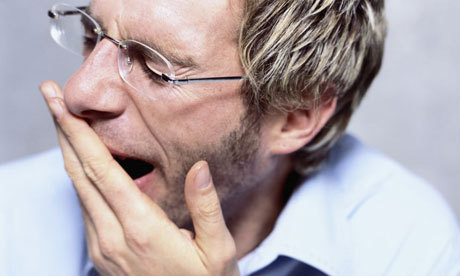
http://blog.lore.com/post/13929025602
- Feel sleepy
- Feel bored
- Feel tired
5. A person shrugs his/her shoulder

http://www.capitalregionorthopaedics.com/educational_resources/neck_exercises.html
- Show indifference
- Show indecision
- Feel unable to do anything
- Indicate “I don’t know”
6. A person inhales quickly

http://breathxpress.wordpress.com/2011/03/20/response-reflexes-and-possible-reactions/
- Feel surprised
- Feel shocked
- Feel frightened
- Feel suffocated
Non-verbal communication - The documentary
This video is a short documentary about Non-verbal communication. In the video it is explained how non-verbal communication is important and some opinions are given by people from many different nationalities. People tell how they think about this type of communication and how they use it. In my view, non-verbal communication is very important. I think sometimes it can express my emotion better than verbal-communication especially when communicate with people who speak different language. It's a great way to help people understand each other without words.
Reference
http://www.usabilitypost.com/2010/02/07/the-laws-of-simplicity/http://www.everythingesl.net/downloads/gestures_version02.pdf

Fantastic post this week May. Could you please relabel the post "Week 03 Origination"
ReplyDeleteThanks.
once that's done - Gold star for you!